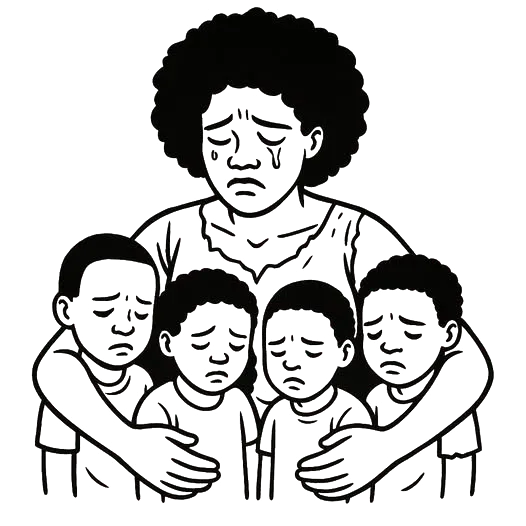
Most abused children tell no one. They show it instead. The single most reliable signal is change: a child who is suddenly not the child you know.
Bana ba le bantsi ga ba bolelele ope fa ba sotlwa. Ba supa ka maitsholo. Sedirwa sa botlhokwa: phetogo e e tshoganyetsang mo ngwaneng.
Changes to watch for
- Sudden fear of a particular person, place or house, with no explanation.
- Withdrawal: a talkative child who goes quiet; a child who stops playing.
- Falling grades, refusing school, or refusing to go "home" to a specific household.
- Sexual knowledge or behaviour that doesn't fit the child's age.
- Bed-wetting or nightmares returning after they had stopped.
- Unexplained injuries, or explanations that keep changing.
- Unexplained gifts, money or airtime, especially from an adult.
No single sign is proof. A pattern, or your own persistent unease, is reason enough to act. You don't need to be sure; you need to be paying attention.
What to do, and what not to do
- Stay calm and believe the child. If a child tells you something, your first reaction teaches them whether telling is safe.
- Don't interrogate. Let them say what they want in their own words. Don't promise to keep it secret; promise to keep them safe.
- Don't confront the suspected abuser. It can put the child in more danger.
- Report. Call Childline on 116 (free, 24/7), the police on 999, or the social worker at your local clinic or council. You can also talk it through with us first.
Fa ngwana a go bolelela: nna le tshisibalo, mo dumele, o se ka wa mo solofetsa sephiri; mo solofetse pabalesego. Letsa 116 mahala.