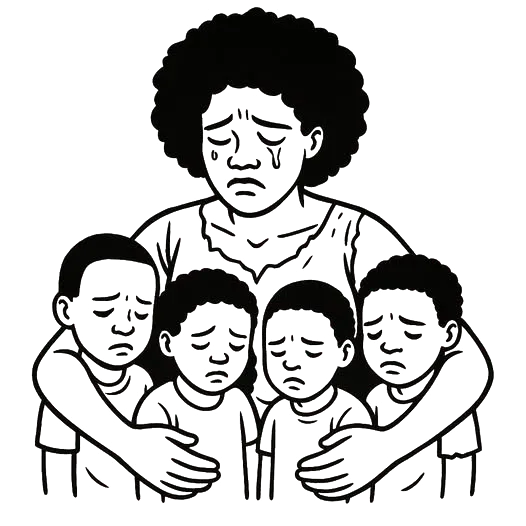
If you're reading this, you're already doing the most important thing: taking it seriously. Friends, sisters, mothers, teachers and pastors are how most survivors finally reach help.
Fa o tshwenyegile ka mongwe, gase gore o tlhoka bonnete pele. Go tshwenyega ga gago go lekane go simolola go thusa.
What to say
- "I believe you." The sentence she may never have heard.
- "It's not your fault." Abuse survives on shame; take the shame off her.
- "You don't have to decide anything now. I'm here either way."
What not to say
- "Why don't you just leave?" Leaving is the most dangerous moment in an abusive relationship, and she knows things about her situation that you don't.
- "What did you do to make him angry?" Nothing makes abuse deserved.
- "You must report him now." Pressure replaces one controlling voice with another. Offer options, not orders.
What you can actually do
- Keep showing up. Isolation is the abuser's main tool; your ordinary presence breaks it.
- Share the help quietly: Childline 116 is free and confidential, and our help page works on any phone and is built to be left quickly.
- Help her make a safety plan: documents, a little money, a safe place to go.
- If a child is being harmed, don't wait for certainty: call 116 or 999. Children can't weigh their own options; adults must act for them.
- Look after yourself too. Supporting someone through abuse is heavy. You can talk to us as a supporter; that's a normal thing to do.